Best Handheld Water Bottles for Running: Stay Hydrated on Your Next Run
Running with a water bottle sounds simple enough until mile two. Your palm is sweaty, your grip is tightening, and your arm swing has turned into a stiff shuffle.
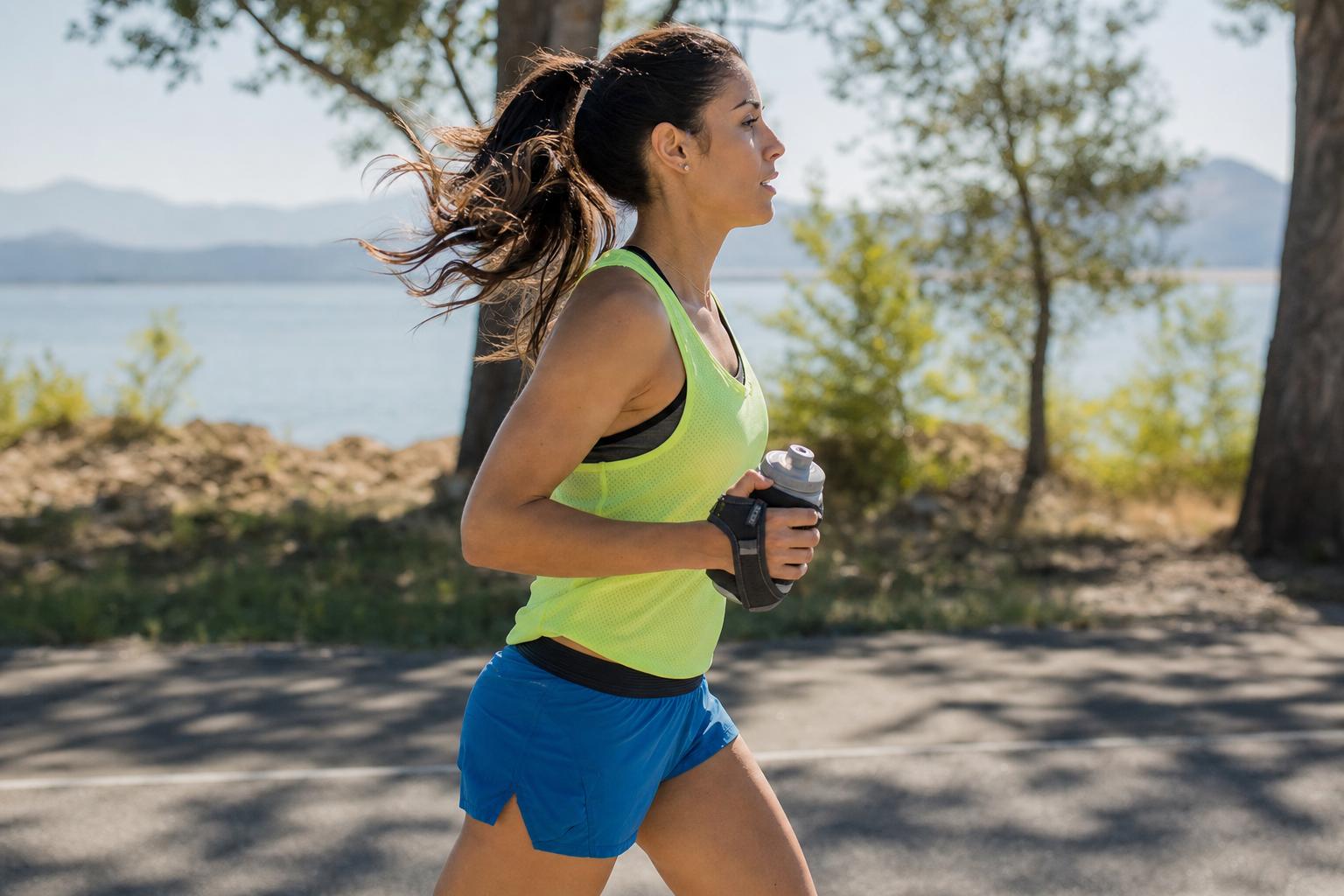
The right handheld water bottle fixes that. A proper hand strap holds the bottle against your hand without you having to grip it.
A smart cap lets you drink on the move without fumbling. The right size carries what you need without weighing you down.
This guide covers what to look for, how to choose between a hard bottle and a soft flask, and five picks worth your money.
For how much fluid to actually carry, see our guide on how much water to drink when running.
Why carry a handheld water bottle at all
A handheld is the simplest way to carry water on a run. There is nothing to strap around your waist, nothing on your back, and no setup.
You grab it, go, and drink when you need to. That simplicity is real.
It is why runners who just want hydration tend to reach for a handheld first.
The trade-off is one occupied hand. Over a short run that is nothing.
Over a half marathon or more, the weight in one hand changes your arm swing. It can also fatigue your shoulder and forearm on that side.
This is why bottle size and strap design matter so much. Runners heading into longer distances often switch to a running hydration belt or a hydration vest that moves the weight to the torso instead.
For most everyday training runs, a handheld is the right tool. It is inexpensive, low-fuss, and gets you out the door faster than any other hydration option.
How to choose a handheld water bottle
The details that separate a great handheld from a mediocre one are not obvious from a product page. Work through these before you buy.
Capacity for your distance
Bigger is not always better when the bottle is in your hand the whole time. Here is the practical range:
- 12 oz is light and fine for a 30- to 45-minute run.
- 16 to 18 oz is the sweet spot for most training runs under an hour.
- 20 oz gives you more breathing room on longer efforts but adds real arm weight, especially in the second half.
If you are going further, decide whether to carry a larger handheld, refill at fountains, or move to a belt or vest entirely.
Hard bottle versus soft flask
Hard bottles are rigid plastic. They keep their shape whether full or empty, which makes them easy to grip through the strap.
Many use a push-pull blast valve or race cap that gives you a quick burst of fluid without tilting or unscrewing anything.
The downside is that an empty hard bottle takes up the same space and weight as a full one.
Soft flasks are made from flexible TPU material and collapse as you drink. There is no sloshing noise.
The weight drops as the flask empties. When you are done, you can fold it nearly flat and tuck it away.
Soft flasks feel less structured in the hand. Some runners find them fiddlier to drink from at speed.
Both styles are well represented in this guide, so match the format to how you run.
Strap and no-grip design
The hand strap is the most important feature after capacity. A fixed loop that you have to white-knuckle will fatigue your hand within a few miles.
Better designs use an adjustable strap that wraps the back of your hand. The bottle rests against your palm without any active gripping.
Some go further with a no-grip TPU strap that takes the bottle entirely off your fingers. If you are prone to hand fatigue or carry a heavier bottle, a no-grip design is worth seeking out.
Insulation
On a short run, water temperature is not a big deal. On a summer run over an hour, warm water is less appealing and you drink less of it.
Double-wall insulation keeps water cold noticeably longer without adding much weight. It also reduces condensation on the outside, which makes the strap less slippery on a humid day.
If you run in the heat or go long, insulation is worth paying for.
Storage pocket
Most handhelds include a small zippered pocket on the back of the strap. It is usually big enough for a key, a card, and a gel or two.
That covers most short-run needs. Check the pocket dimensions carefully if you want to carry a phone.
Older designs often sized around smaller phones. If you need to carry more, combining a lightweight handheld with a running belt is often the cleaner solution.
Cap and flow
How easily you can drink without breaking stride matters more than it seems.
- Push-pull blast valves and bite-valve caps let you drink one-handed and on the move.
- Screw tops require two hands or a full stop.
- Race-cap designs, common on hard bottles built for running, tend to be the most convenient.
- On soft flasks, the cap is often a wide-mouth valve that you squeeze open.
Just make sure the design you choose matches your drinking style.
The best handheld water bottles for running
These five cover the main needs, from everyday training to hot-weather runs to ultra-light options. Match the pick to how you run.
Nathan SpeedDraw Plus Insulated: best insulated, best overall
Best overall for most runners: double-wall insulation, adjustable no-grip strap, and everyday versatility in one package. Who it is for: runners who want a proven, do-everything hard bottle for everyday training, especially in warm weather.
The SpeedDraw Plus Insulated is the most complete package on this list. Double-wall insulation keeps water cold noticeably longer than uninsulated bottles.
That makes a real difference on summer runs. The fully adjustable hand strap with a thumbhole holds the bottle securely against your hand without gripping.
There is 360 degrees of reflective detailing for visibility in low-light conditions. An expandable zippered storage pocket fits a key and a card.
It is the easy first recommendation for most runners. You can check the Nathan SpeedDraw Plus Insulated price on Amazon to see the current size and color options.
Nathan Running Handheld (No-Grip): best no-grip strap
Best for hand fatigue: the TPU strap keeps your palm open and relaxed for the entire run. Who it is for: anyone who has felt hand fatigue from gripping a bottle, especially on runs over an hour.
The distinguishing feature is the TPU no-grip strap. It wraps the back of your hand and holds the bottle against your palm without asking your fingers to do anything.
Your hand can stay relaxed and open. Your arm swing stays natural.
The fatigue that builds up over many miles in a gripped strap simply does not happen. The setup is minimal and the design is easy to slip on and go.
If hand fatigue has put you off handhelds in the past, this is the one to try. Have a look at the Nathan No-Grip Handheld price on Amazon to compare configurations.
Amphipod Hydraform Jett-Lite Thermal 20 oz: best ergonomic and larger capacity
Best for long efforts: ergonomic shape and 20 oz capacity reduce hand strain when you are carrying it for two hours. Who it is for: runners going longer who want more water without jumping to a vest.
The Hydraform Jett-Lite Thermal is shaped to fit naturally in the hand. That matters when you are carrying it for two hours rather than forty minutes.
The ergonomic contour reduces hand and wrist strain compared to a straight cylindrical bottle. The thermal layer slows the rate at which water warms up on summer runs.
At 20 oz it carries more than most handhelds on this list, which gives you longer range between refills. If you are training for a half marathon or longer and want to carry your own fluid, this is the pick.
Check the Amphipod Hydraform Jett-Lite Thermal on Amazon for current availability.
HydraPak UltraFlask Speed: best collapsible soft flask
Best soft flask: collapses silently as you drink, packs flat when empty, and flows fast. Who it is for: runners who want a soft flask that is genuinely easy to hold and drink from, without the annoyance of sloshing.
The UltraFlask Speed is one of the most well-regarded soft flasks for running. It stays firm enough to grip when full and collapses smoothly as you drink.
You get none of the sloshing sound that comes from a partially full rigid bottle. When empty it packs almost flat and weighs almost nothing.
The high-flow valve is fast, which matters when you are trying to drink without slowing down. It is a natural match for runners already using a vest who want a handheld option for shorter days.
See the HydraPak UltraFlask Speed on Amazon to check sizes and pricing.
Salomon Soft Flask: best lightweight minimalist option
Best ultralight: the slimmest option on this list, doubles as a vest pocket flask. Who it is for: runners who want the lightest possible option and do not need a dedicated hand strap.
The Salomon Soft Flask is a simple, narrow collapsible flask with a high-flow cap. Its silhouette is slim enough to hold comfortably in your hand or drop into a vest pocket when you switch carry styles.
There is no hand strap system. That makes it less convenient if you are running with it full for a long time.
But if you want minimal weight and maximum flexibility, nothing on this list beats it. The narrow shape is also easy to drink from at race pace.
Take a look at the Salomon Soft Flask on Amazon for the size options.
Handheld versus belt versus vest
Choosing the right hydration format depends on distance, what else you are carrying, and how much arm fatigue bothers you.
- Handheld is the simplest and cheapest option. No waist band, no pack, no fitting required. The clear downside is one occupied hand. On short runs this is irrelevant. On longer runs it changes your arm mechanics and can fatigue the carrying side by the end. It is the right choice when hydration is your only need and your run is under an hour.
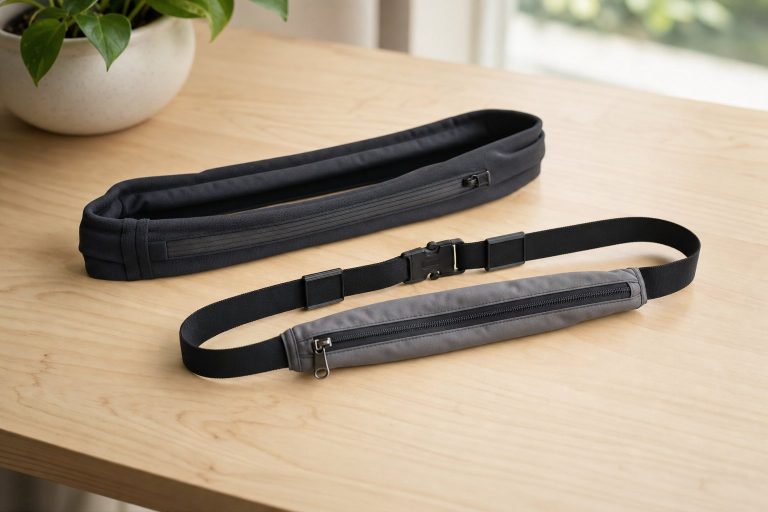
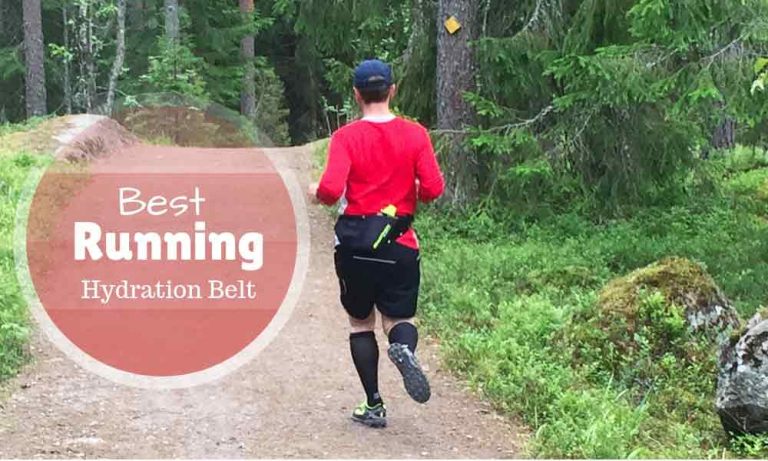
- Belt is the hands-free middle ground. Water sits in bottles or a soft flask on your hip. Your hands are free and the load distributes around your waist instead of one arm. A belt also carries a phone, keys, gels, and a card without you holding anything. Our guide to the best running hydration belts covers the top options if you want that format. The trade-off compared to a handheld is cost and setup time.
- Vest is for the most capacity and the longest distances. A running vest moves all the weight to your torso, distributed evenly front and back. It can carry more than a liter of fluid plus layers, nutrition, and safety gear. It is the right tool for trail running and ultra distances. For most road running under two hours, it is more than you need.
How much water to carry on a run
A rough guide for what to carry:
- Under 45 minutes in mild weather: many runners do not need to carry water at all if they hydrate beforehand.
- 45 minutes to 90 minutes: 12 to 16 oz is a reasonable amount to have on hand.
- Over 90 minutes, especially in heat: aim for more and plan your refill points.
In hot or humid conditions, you sweat more and need to drink more, so adjust upward. If you feel thirsty, you are already slightly behind.
Sip small amounts regularly rather than waiting until you are very thirsty. If your run takes you far from water sources, carry enough to cover the distance or know where fountains are.
Do not overthink exact ounces. The practical rule is that you should be able to drink when you feel like it rather than rationing.
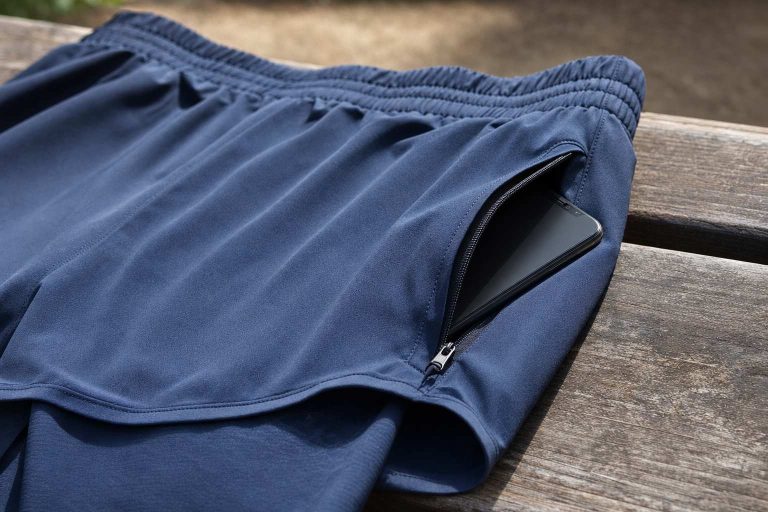
Want to carry a phone too? Our guide on how to carry your phone while running covers every option: handhelds, belts, and arm bands.
Handheld water bottle FAQ
What is the best handheld water bottle for running?
For most runners the Nathan SpeedDraw Plus Insulated covers the most ground: double-wall insulation, a no-grip adjustable strap, reflective detailing, and a storage pocket. It works for daily training, hot weather, and longer efforts.
If you specifically want a no-grip strap for lower hand fatigue, the Nathan No-Grip Handheld is the more focused choice.
Should I use a hard bottle or a soft flask for running?
Hard bottles keep their shape, often come with blast-valve caps designed for on-the-move drinking, and tend to be more intuitive to use. Soft flasks collapse as you drink so there is no sloshing.
They pack down to almost nothing when empty and are usually lighter. Hard bottles suit runners who want structure and convenience.
Soft flasks suit runners who want minimal weight and flexibility. Both styles work well, so the choice comes down to personal preference.
How do I stop my hand from getting tired carrying a water bottle?
The strap design makes the biggest difference. An adjustable strap that wraps the back of your hand lets you run with an open, relaxed palm.
No gripping required. A no-grip TPU strap goes even further and takes all the active holding out of the equation.
Keeping the bottle size moderate also helps. A 20 oz bottle full of water becomes noticeably heavier over the second half of a long run than a 12 to 16 oz bottle.
How much water should I carry in a handheld for a 5K or 10K?
For a 5K, most runners in moderate weather do not need to carry water at all if they drink before the race. For a 10K, a 12 oz bottle is more than enough for most conditions.
In high heat or humidity, carry slightly more or plan around available aid stations. The goal is to be able to sip when you feel like it.
You are not looking to carry a full day’s supply.
Can I use a handheld water bottle in a race?
Yes, and many runners do. A handheld lets you skip crowded early aid stations and drink your preferred fluid.
You sip on your own schedule, not the course’s. The weight trade-off is real over a half marathon or marathon, but for shorter races it is negligible.
If you plan to carry one in a race, train with it on long runs beforehand so your body adapts to the slightly asymmetric load.
Bottom line
The right handheld water bottle disappears into your run rather than demanding attention. For most runners the Nathan SpeedDraw Plus Insulated is the easy starting point.
It covers insulation, a secure no-grip strap, and everyday versatility. If hand fatigue is your main concern, the Nathan No-Grip Handheld is the more targeted fix.
Going longer and wanting more capacity, the Amphipod Hydraform Jett-Lite Thermal holds 20 oz and sits more comfortably in the hand over extended efforts.
For soft flask fans, the HydraPak UltraFlask Speed is one of the best-reviewed options for its flow and collapse-as-you-drink design. The Salomon Soft Flask is the pick if you want something ultralight that can also drop into a vest pocket.
Get the size right for your distance and find a strap that fits without gripping. A handheld will become as automatic as lacing your shoes.