The Best Running Belts: Carry Your Phone and Keys
You head out for a run and hit the same problem every runner knows: where does the phone go? Add keys, a card, and a gel or two, and your pockets are either too small or so loose that everything bounces. A good running belt solves this. It straps a slim pocket around your waist, holds your essentials close, and stays put with zero bounce. This guide covers what a running belt carries, how to choose one that does not ride up, and five picks worth your money. Budget options start around $27. Some belts are built for marathon distance.
A belt that rides up can rub and chafe. See our guide on how to prevent chafing when running for the fixes.

What a running belt is (and what you can carry in one)
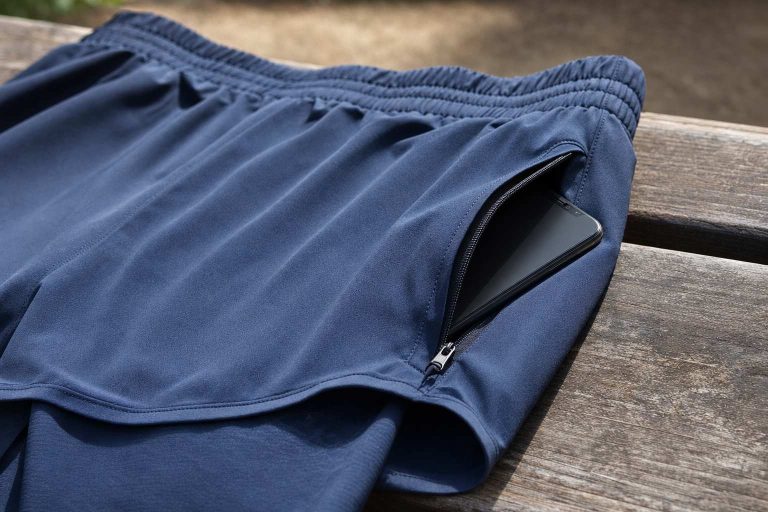
A running belt is a low-profile pouch that wraps around your waist. It does the job your running shorts cannot. Most running shorts either skip pockets entirely or give you a tiny one that will not hold a modern phone. The belt fills that gap. It rides at your hips, hugs the body, and keeps your hands free so your stride stays natural.
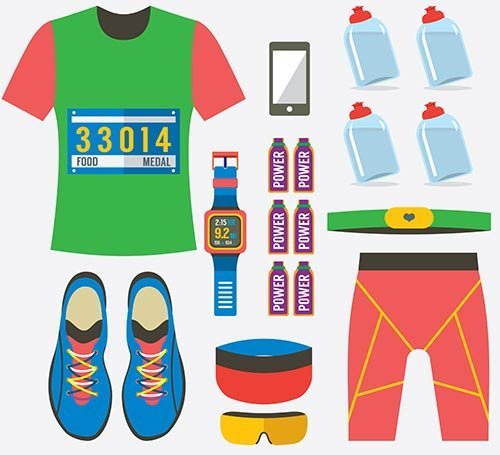
What fits inside depends on the design, but the usual load is light and practical:
- Your phone. This is the main event. Most belts now size their pocket around large phones, so music, maps, podcasts, and safety calls stay within reach.
- Keys and a card. A house key, a transit or debit card, and some cash slot in easily. A separate compartment keeps keys from scratching your screen.
- Fuel. Energy gels, chews, or a small snack bar for longer efforts.
- ID and a little first aid. A few runners tuck in a bandage or two and a tiny note with emergency contact info.
- Hydration, on some models. Certain belts add bottle holsters or carry a soft flask, which we cover in the long-run section below.
The appeal is simple. Holding a phone and a water bottle in your hands gets old within the first mile. Your palms sweat, and a dropped phone is a real risk. A belt removes all of that and lets you forget you are carrying anything. Just need to keep a phone with you? Our guide on how to carry your phone while running covers every option, belts included.
How to choose a running belt
Belts look similar on a product page, but a handful of details decide whether you love yours or leave it in a drawer. Run through these before you buy.
Fit and no bounce
This is the single most important factor. A belt that bounces or rides up will drive you crazy. The cause is almost always the wrong size or a loose fit. Measure your waist before ordering, and check the brand’s size chart rather than guessing. Stretchy, second-skin styles bounce least. They compress against your body instead of hanging off it. If you carry a phone plus other items, a snug fit matters even more. Extra weight is what sets a loose belt swinging.
Capacity and storage
Be honest about what you actually carry. For a short run, a single pocket sized for a phone and a key is plenty. A minimal belt will be lighter and lower-profile. For long runs you may want room for gels, a flask, and a layer you can peel off. That calls for a larger band with multiple pockets. More compartments also help you separate items, so your keys are not riding against your screen.
Phone size
Phones keep getting bigger, and not every belt has caught up. Before buying, compare your phone’s dimensions against the pocket size the maker lists. Most belts are built around popular large phones now, so a mainstream model usually fits fine. If your phone is unusually big or in a bulky case, double-check. A pocket that is even slightly too small turns getting your phone in and out into a fight.
Material and sweat resistance
Belts are typically made from stretchy synthetics: nylon, lycra, spandex blends, mesh, or a neoprene-style fabric. These breathe reasonably well, wick sweat away from your body, and dry quickly so the belt is ready for tomorrow. They machine wash without fuss. Power-mesh and spandex blends stretch to fit a range of sizes and compress nicely. Be a little wary of belts with hard plastic inserts. These can trap heat and reduce breathability against your skin.
Security and zippers
How securely a belt holds your gear depends on its closure. Open slide-in pockets are fast to reach into and fine for a phone and key on a casual run. If you want to carry a card, cash, or anything you would hate to lose, look for at least one zippered pocket. A zip is the safest way to lock items in place over rough ground. Weather-resistant zippers add a layer of protection against rain and sweat. Some belts also include a small port so a headphone cable can pass through without leaving a pocket gaping open.
Adjustability
An adjustable strap lets you dial the fit from loose to snug and tighten things up as the belt settles during a run. This is the difference between a belt that stays where you put it and one that slowly works its way up your torso. Stretchy one-size designs suit a wide range of bodies. Strap-and-buckle styles give you precise control. Larger runners should check the maximum waist size and look for models that offer an extender strap if you need extra length.
The best running belts
These five cover the range of needs, from a no-frills budget pick to belts built for marathon day. Match the pick to how you actually run rather than just grabbing the top of the list.
FlipBelt (Classic / Zipper): best overall, lowest bounce
Best for almost everyone, and especially anyone who has fought belt bounce before. The FlipBelt is a tubular, continuous band that sits against your waist like a second skin. There is no buckle and no flap to flop around. Sized correctly, it delivers about as close to zero bounce as a belt gets. That is why it has earned roughly 20,000 reviews on Amazon and a loyal following. You load items through slide-in slots on the Classic. Choose the Zipper version if you want a secured pocket for cards and cash. It fits phones up to 6.7 inches, so most large models slide right in. Getting the size right is the whole game with this one. Check our guide on what size FlipBelt you should get before ordering. See the FlipBelt Zipper breakdown if you want the zippered version. You can check the FlipBelt price on Amazon to compare the Classic and Zipper.
SPIbelt (Original / Large Pocket): best budget
At around $27, the SPIbelt proves a low price does not mean a flimsy belt. Its small expandable pocket looks tiny at rest, then stretches to swallow a large phone. It stays flat and bounce-free against your body while you run. It is genuinely durable, which matters because a cheap belt that falls apart is no bargain. If you mostly carry a phone, keys, and a card and want one reliable belt without overthinking it, this is the easy choice. Have a look at the SPIbelt price on Amazon to see the Original and Large Pocket options.
Naked Running Band (V2): best for long runs and marathons
Built for distance, the Naked Running Band is a wide power-mesh band that hugs your waist. It spreads the weight of your gear evenly instead of letting it bunch in one spot. That even load is exactly what you want over many miles. It uses multiple open pockets rather than a single pouch. Distribute a phone, gels, a layer, and even soft flasks around the band. It stays put when fully loaded. Marathoners who want hands free and weight balanced will appreciate this one. Take a look at the Naked Running Band price on Amazon if long efforts are your focus.
Nathan Zipster Max: best phone security
When locking your phone down is the priority, the Nathan Zipster Max delivers. It has two large, weather-resistant zippered pockets. They hold everything with no movement, even with a big phone inside. It has been tested with an iPhone 15 Pro Max. The zip closures mean nothing slides out over rough terrain or in the rain. The weather resistance shrugs off sweat and light showers. If you have ever felt a phone creeping toward the lip of an open pocket, the secured design here is reassuring. You can check the Nathan Zipster Max price on Amazon to see the current colors.
Ultimate Direction Utility Belt: best capacity and stability
For runners who carry the most, the Ultimate Direction Utility Belt uses a high-stretch spandex blend that applies uniform compression around your waist. The load stays stable rather than swinging. It sits flush against you even when loaded with a hydration flask and a packed-away windbreaker. That is a real test for any belt. If you want capacity and a stuff-it-all-in option that still holds steady, this is the workhorse of the group. Have a look at the Ultimate Direction Utility Belt price on Amazon if you tend to carry extra.
Special cases
Marathon and long-distance use
Over marathon distance, two things matter most: staying hydrated and keeping the load balanced. Dehydration stresses your cardiovascular system and drags down performance. Carrying your own fluid means you are not rationing your run around water stops. For these efforts, look for a belt that:
- holds a soft flask or small bottles
- distributes weight evenly so nothing digs in
- uses breathable, sweat-wicking fabric
- has reflective accents for early or late runs
The Naked Running Band and the Ultimate Direction Utility Belt above are both built for this kind of carrying. If hydration is your main concern, our dedicated guide to the best running hydration belts compares belts designed specifically to carry water.
Plus-size fit
A good belt should fit every runner. For plus-size buyers, check the maximum waist measurement and look for an extender option before you order. Stretchy spandex-style fabrics are your friend. They prevent chafing and flex with your body. A belt worn at your true waist, over higher-rise bottoms, sits more securely and is far less likely to roll. Buying from a retailer with an easy return policy lets you try the fit at home without any awkwardness. Several of the picks here, especially the stretch-band designs, accommodate a wide size range.
Women’s belts
Most running belts are unisex and work fine for anyone. Some are shaped with women’s bodies in mind for a closer fit. If that is what you are after, our roundup of the best women’s running belts covers options designed with that fit in focus. Runners who are expecting can find belts built for a changing body in our guide to running with a maternity running belt.
How to wear a running belt and stop the bounce
Even a great belt can annoy you if you wear it wrong, and the fixes are quick. Start by tightening it more than feels necessary. A belt that is slightly too loose is the number one cause of bounce and ride-up. Position it where it sits most securely for your body. For many runners that is right at the waist over higher-rise shorts or tights, not down on the hips. Balance the load so weight is not all in one spot, and use a zippered pocket for anything you cannot afford to lose. For placement tips and the small tweaks that kill bounce for good, see our guide on how to wear a running belt.
Running belt FAQ
Are running belts actually good?
Yes, for most runners they are the simplest way to carry a phone, keys, and fuel without bounce or sweaty hands. They are inexpensive, lightweight, and far less bulky than a running backpack. That makes them the go-to accessory for everyday runs and races alike.
How do I stop my running belt from bouncing or riding up?
Tighten it first. A loose fit causes most bounce. Wear it snug and high, at your natural waist over higher-rise bottoms. Choose a stretchy second-skin style that compresses against your body. Balancing the weight rather than loading one pocket also helps a lot.
Running belt or armband for my phone?
A belt is usually the more comfortable and versatile choice. It carries more than just a phone, keeps weight off your arm, and tends to bounce less when fitted correctly. An armband puts everything on one limb and holds little else. We compare both in detail in our guide on running belt vs armband.
Will a running belt fit my large phone?
Most modern belts are sized for large phones, but pocket dimensions vary. Compare your phone’s measurements against the listed pocket size. The FlipBelt fits phones up to 6.7 inches. The Nathan Zipster Max has been tested with an iPhone 15 Pro Max. Big-phone owners have solid options here.
What should I carry in a running belt?
The usual kit is a phone, a key, a card or some cash, and fuel like gels for longer runs. Many runners add an ID and a small bandage. Keep it light, use a separate pocket for keys so they do not scratch your screen, and only carry what you will actually use.
Bottom line
The right running belt fits snugly, carries what you actually take, and disappears against your body once you start moving. For most runners the FlipBelt is the easiest recommendation thanks to its near-zero bounce. The SPIbelt is the smart pick if you want a dependable belt around $27. Going long, the Naked Running Band and the Ultimate Direction Utility Belt balance a bigger load. The Nathan Zipster Max wins if locking your phone away matters most. Measure your waist, match the belt to your run, and you will wonder how you ever ran with a phone in your hand.